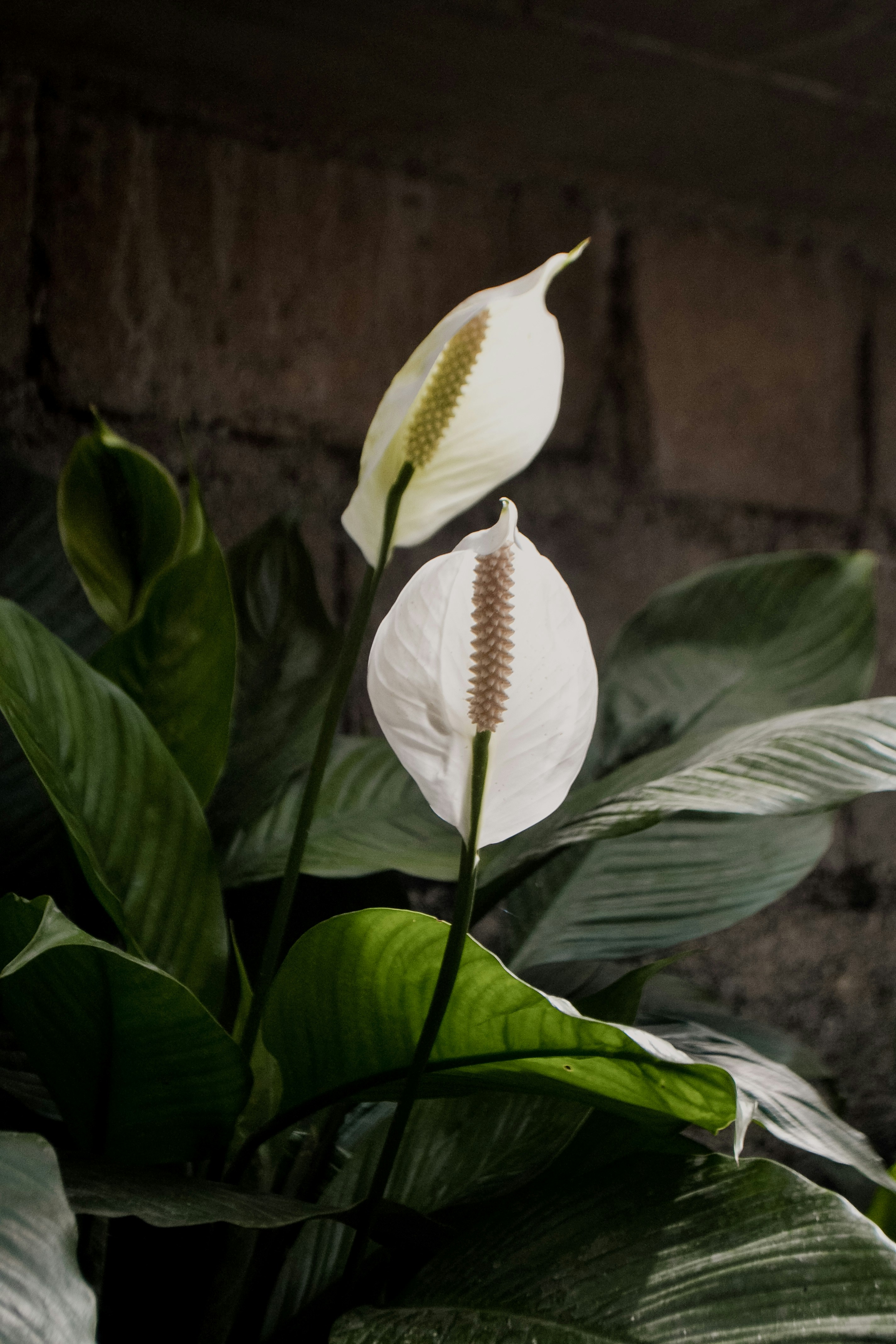
The standard answer is a delete button. The row disappears, the reminders stop, the photos go wherever deleted photos go, and the app pretends, politely, that nothing happened. Two years of a calathea become the same kind of nothing as a typo.
Mossly does something different. When a plant dies, you don't delete her. You say goodbye.
she was someone you knew
A plant in Mossly is not a row in a database. She has a name. She has the window she liked and the one she sulked in. She has a record of every drink you remembered, every leaf she unrolled, the day you noticed she leaned toward the morning light. By the time something goes wrong, and with plants something eventually goes wrong, she is someone you know.
Deleting someone you know is a strange thing to ask of a person. So we don't ask.
the farewell
Instead, there is a farewell. You move her to a quiet shelf called those who came before. Her reminders stop on their own. Her page stays. And the observations you left while she was here, a new leaf noticed, a move to a warmer room, become a small eulogy. She says it plainly:
you noticed her first new leaf in march. you moved her to the warm room in june. you were paying attention the whole way.
And then Mossly does the thing we were most unsure about, and now could never cut. She reads back through her history, the drinks, the new leaves, the notes left at midnight, and writes her a few lines.
This is a real one, for a golden pothos who stayed nearly two years:
We were wary of this one. An AI writing condolence poetry is exactly the kind of idea that curdles. It works, we think, because she isn't allowed to invent anything. She only has the journal: what you did, what you noticed, how long it lasted. The poem is not a performance of grief. It's a receipt of attention.
The whole farewell takes about a minute. Most people take longer.
everyone kills a plant
Here is what the delete button gets wrong: killing a plant is not a failure state. It's the tuition.
Every good gardener stands on a small private graveyard. The fiddle that dropped every leaf in one cold week. The maranta who never forgave the move. The rosemary nobody, anywhere, has ever kept alive indoors. You learn what a plant needs mostly by getting it wrong once, with one plant, and remembering.
An app that erases the evidence is asking you to learn nothing. Worse, it's teaching you that a dead plant is something to be embarrassed about, to be disposed of quietly before anyone sees. Shame is a terrible teacher. Memory is a patient one.
quiet, on purpose
The farewell is not dramatic. There is no wilting animation, no condolence notification, no badge for grieving correctly. Grief over a plant is small and real and a little embarrassing to say out loud, and the kindest thing software can do with a feeling like that is make room for it without making a scene.
So the shelf is just a shelf. The poem is a few quiet lines made from things you already knew. And her page stays for the same reason you keep one photograph of every apartment you've ever lived in. Not to visit often. Just to know it's there.
We built Mossly to turn a plant into someone you know. The honest end of that sentence is that some of the someones die. An app that can't hold that fact was never really a journal. It was a scoreboard with leaves on it.
So when her time comes, Mossly doesn't ask you to delete her. She asks you what you remember. And at the bottom of her page, she leaves the one comfort that is also honest:
she had a good keeper. that's the part that was always up to you, and you gave it.
Nill · Campinas, Brazil
made slow, for the plants you don't yet know